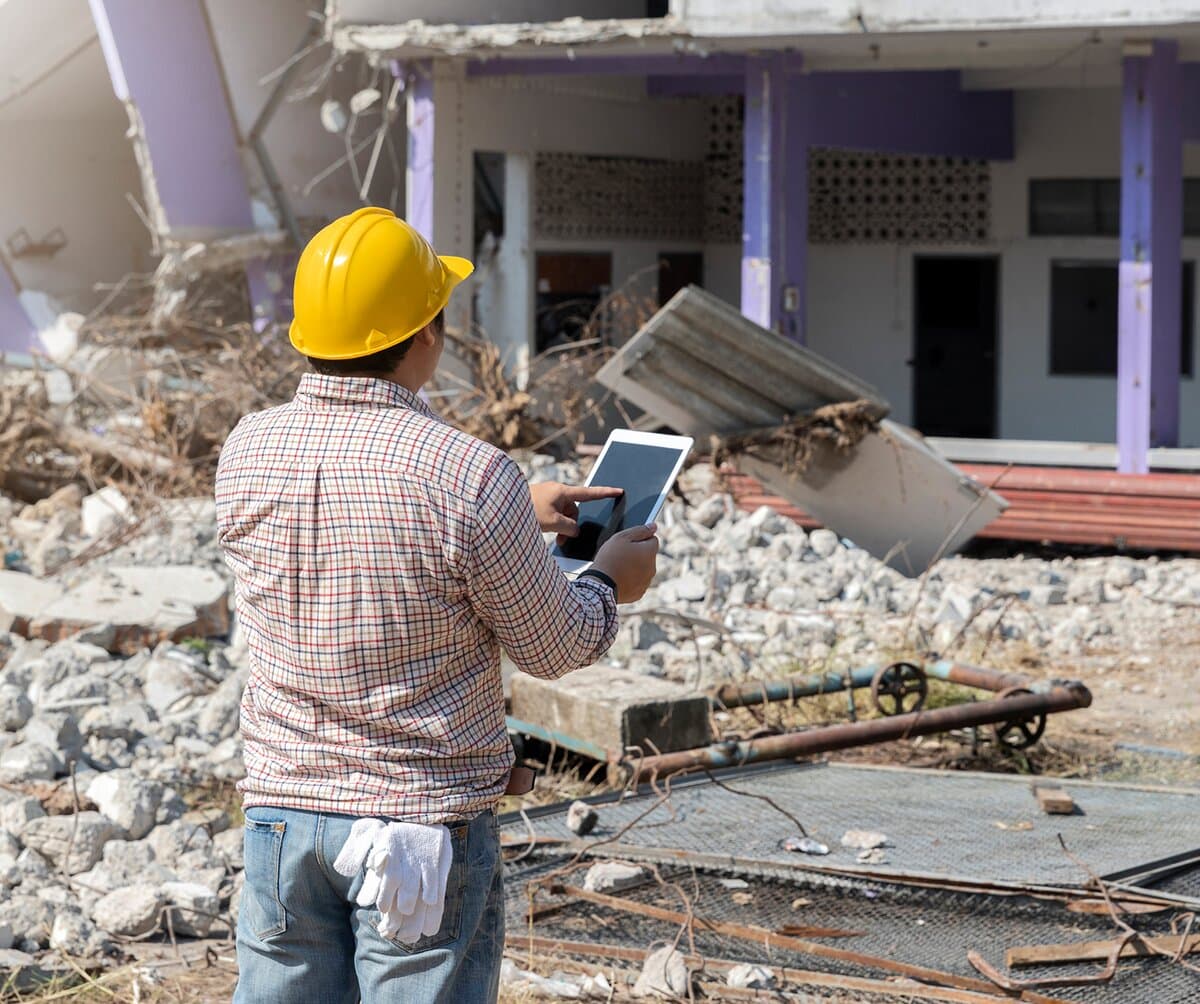

Insurers face more frequent challenges in handling catastrophic (CAT) claims from catastrophic storms and events. Due to the effects of climate change, the predictability of seasonal weather patterns and subsequent storms is increasingly unstable. Insurers in nearly every state are realizing losses from hurricanes, and convective storms.
Catastrophic Claims – An Increasing Challenge for Insurers
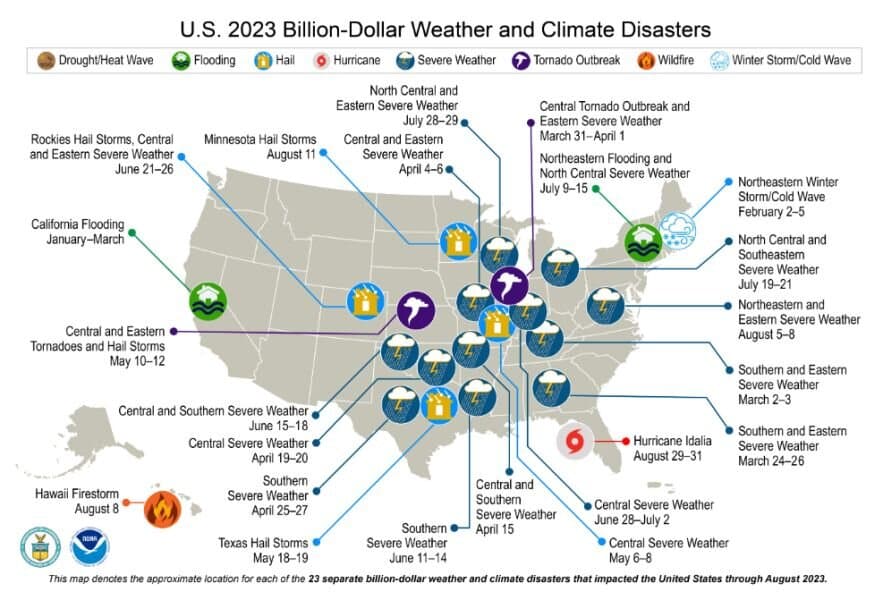
According to the National Centers for Environment Information, in 2023 (as of September 11th), 23 confirmed weather/climate disaster events with losses exceeding $1 billion each affected the United States.
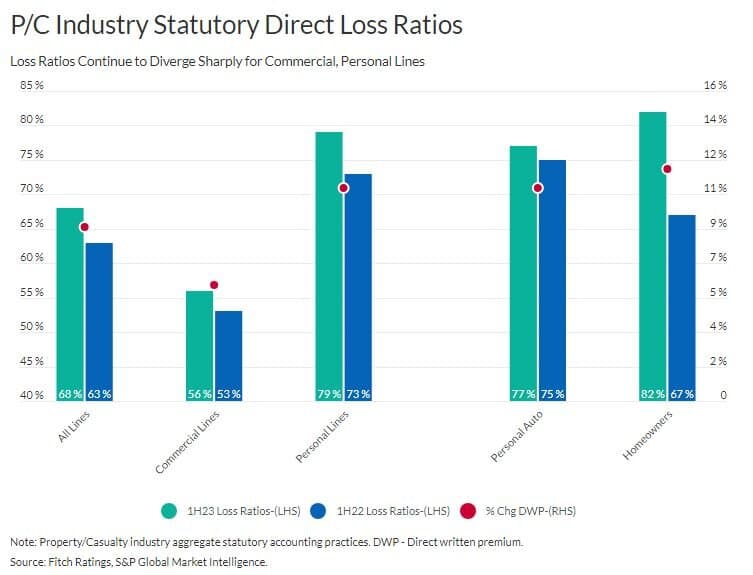
The surge in CAT claims in 2023 has increased the loss ratios for insurers in 2023 due to:
- Increased claims expenses that include fraudulent claims
- Higher claim reserves as insurers set aside additional funds to cover potential legal and investigative costs
- Unearned premiums for policies that were found to be fraudulent
Regulatory Scrutiny
If insurers are found to have inadequate anti-fraud measures, or take an excessive amount of time processing CAT claims, they may face regulatory penalties. The effects of regulatory scrutiny on insurers may include increased oversight of the claims-handling process, consumer complaints, compliance with state laws and regulations, and rate reviews.
How can insurers prepare for disaster fraud?
We have identified four steps insurers can take to prepare for disaster fraud and minimize the financial impact of catastrophic events and the associated CAT claims.
Invest in mitigation technology and strategies
The first step for insurers to save capacity, increase customer retention, and improve their loss ratios is to invest in new mitigation technology and strategies. According to a February 2023 McKinsey & Company Global Insurance Report, mitigation and prevention solutions can help clients become more resilient to these natural catastrophic risks.
Insurers are using new technology such as behavioral analytics, IoT, blockchain, and voice analytics to detect and prevent insurance fraud more effectively.
Deter fraudulent claims early
Insurers typically try to mitigate fraudulent claims by requiring that policyholders submit supporting documentation for their claims, such as receipts or photographs. In addition to this step, voice analytics can be introduced to deter opportunistic fraud as a claim is submitted.
Learn more about leveraging voice analytics in the CAT claims process
Fast-track low-risk claims
The property damage from catastrophic events significantly disrupts the day-to-day routine of customers. As a result, they expect a lightning-fast response from insurance service providers to process their CAT claim so they can get back to normal.
During a catastrophic event, making it easy to communicate with customers to assess the severity of their losses and determine if their claims can be fast-tracked is critical. By asking customers a few simple questions, voice analytics can help insurers quickly triage low-risk claims from high-risk claims.
Increase the number of immediate payments
Customers are concerned about whether their CAT claims will be covered and how quickly they will be paid so they can begin repairs. Immediate payments are necessary for insurers processing CAT claims for victims.
Fast, accurate, and immediate payments should be implemented to determine coverage, expedite repairs, and cover losses.
Better identify risk in CAT claims with voice analytics technology
Spotting fraud at FNOL is very challenging for the handlers.Unfortunately, that means fraud will sometimes be missed. Claims handlers deserve the best tools and assistance they can get to quickly separate low and high fraud risk claims.
By automating high volume, low risk claims using Clearspeed voice analytics, catastrophe response teams can spot fraud faster and more accurately, giving handlers the confidence to clear the low risk claims quickly, and route those with risk indicators for follow-up more efficiently.


